
A dog grooming class teaches practical skills tailored to various breeds and coat types, ensuring proper handling and appearance maintenance. Participants learn essential techniques like bathing, brushing, and trimming to promote skin and coat health. They gain knowledge of tool use and safety Pet Grooming Course, preventing injury and discomfort. The class also emphasizes recognizing health issues early and building confidence to manage dogs with different temperaments effectively. Further exploration reveals how these skills enhance grooming success and canine care.
Understanding Different Breeds and Coat Types
When grooming dogs, recognizing the specific breed and coat type is essential for effective care. Different breeds exhibit distinct coat textures—ranging from short and smooth to long, curly, or dense double coats—each requiring tailored handling. Understanding these variations allows groomers to select appropriate tools and products, preventing damage and ensuring comfort.
For example, breeds with thick undercoats may need thorough deshedding techniques, while those with fine hair benefit from gentle brushing to avoid breakage https://cosmos.petuniverse.com/. Awareness of breed-specific grooming standards also supports maintaining the dog’s natural appearance and health. This knowledge empowers groomers to work efficiently, respecting the dog’s natural characteristics and promoting freedom through skillful, customized care rather than one-size-fits-all approaches.
Essential Dog Grooming Techniques: Bathing, Brushing, and Trimming
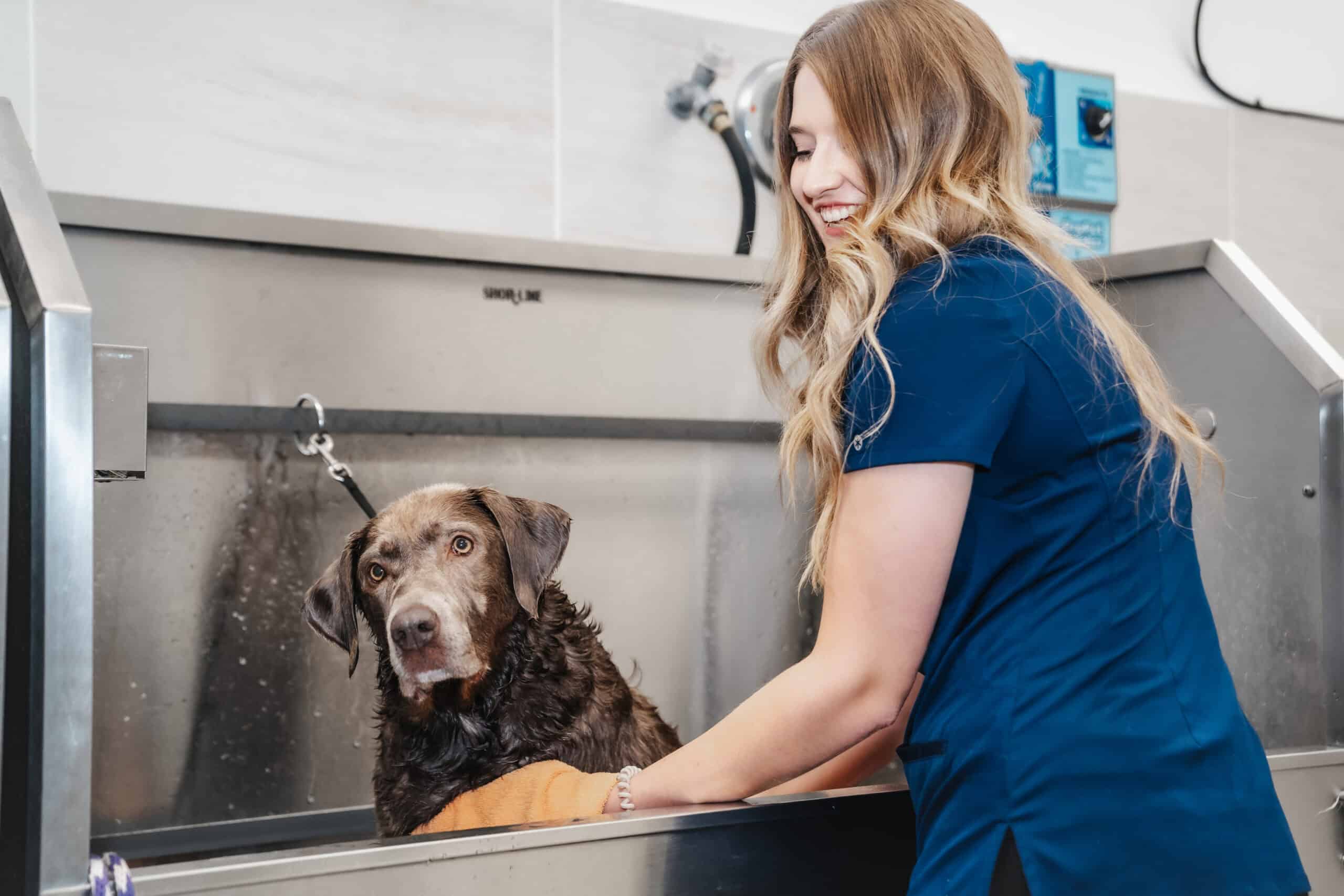
How can proper bathing, brushing, and trimming enhance a dog’s overall health and appearance? These fundamental grooming techniques maintain cleanliness, prevent skin issues, and promote a vibrant coat.
Bathing removes dirt and allergens, while appropriate shampoos support skin balance without harsh chemicals. Regular brushing detangles fur, distributes natural oils, and reduces shedding, fostering comfort and a sleek look.
Trimming, tailored to breed and coat type, prevents matting and keeps nails at a healthy length, avoiding discomfort or injury. Mastering these skills empowers individuals to care for their dogs confidently, ensuring pets feel free and comfortable in their skin.
Together, bathing, brushing, and trimming create a foundation for a dog’s well-being and a polished appearance, reflecting attentive and thoughtful care.
Using Grooming Tools Safely and Effectively
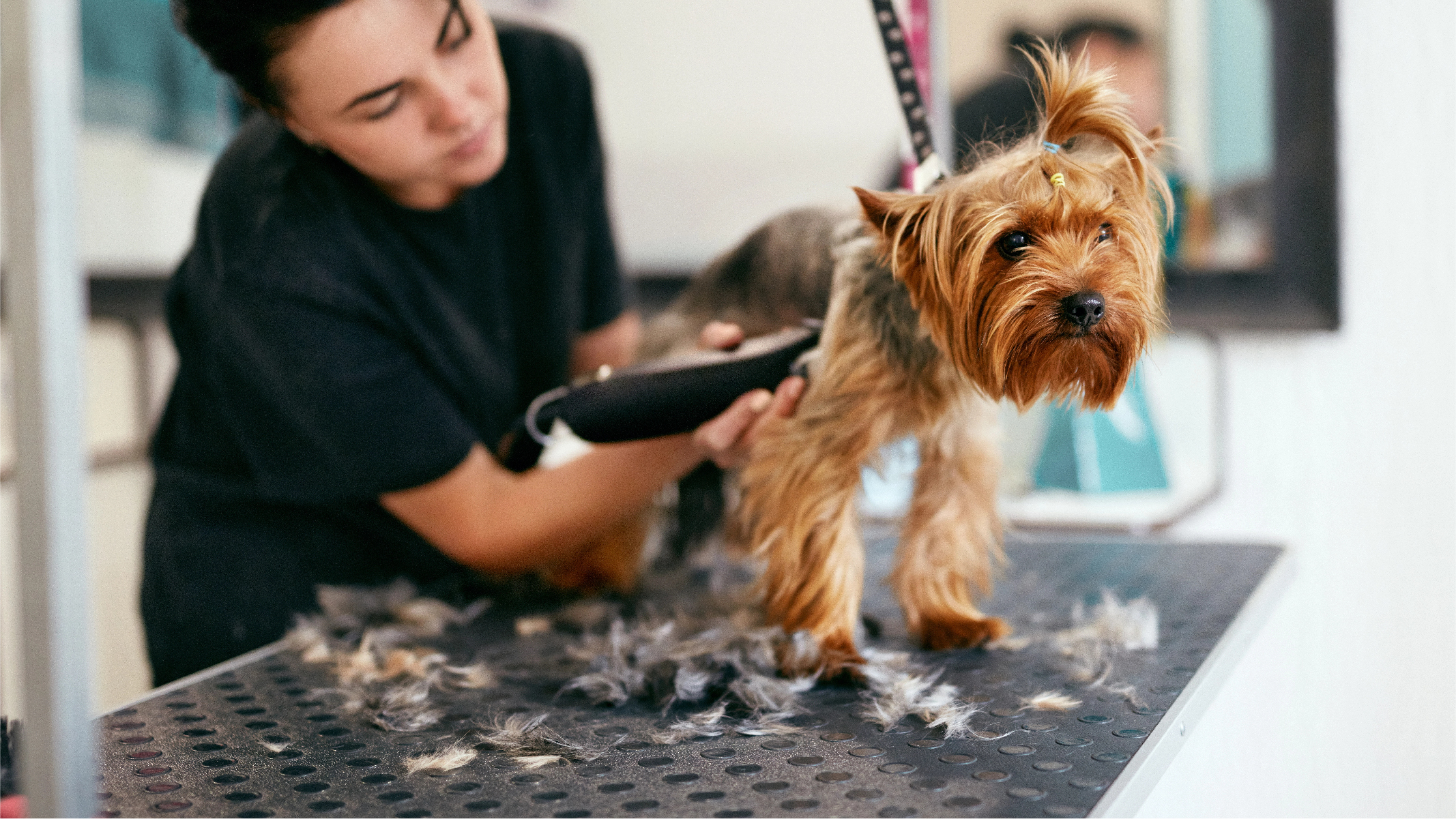
In handling grooming tools, precision and caution are paramount to guarantee both the safety of the dog and the effectiveness of the grooming process.
Proper knowledge of each tool’s function—whether scissors, clippers, or brushes—ensures controlled use without causing discomfort or injury.
Maintaining sharp, clean tools prevents pulling hair or skin irritation.
A steady hand and awareness of the dog’s reactions help avoid accidental cuts or stress.
Additionally, selecting the right tool size and type for specific fur textures and body areas enhances efficiency.
Confidence in handling tools empowers groomers to work freely yet responsibly, respecting the dog’s comfort.
Mastery of safe grooming practices ultimately supports a smooth, stress-free experience for both dog and groomer.
Spotting Health Issues During Dog Grooming
Beyond mastering grooming tools, attention to a dog’s physical condition during grooming sessions provides valuable insights into its health. Observing the skin for redness, lumps, or irritation can reveal underlying issues that require veterinary attention. Checking ears for unusual discharge or odor helps identify infections early.
Groomers also monitor the condition of nails and paws, detecting cracks or swelling that may cause discomfort. Regularly examining the coat for parasites such as fleas or ticks supports timely intervention. These observations empower groomers and dog owners to act promptly, preventing minor problems from escalating.
Developing this skill fosters a proactive approach to canine well-being, promoting freedom from illness and discomfort through consistent, attentive care during each grooming session.
Building Confidence Grooming Dogs of Any Temperament
When approaching dogs of varying temperaments, a groomer’s confidence directly influences the grooming experience’s success. Mastering this skill allows groomers to handle anxious, shy, or reactive dogs with calm assurance, reducing stress for both dog and groomer.
Training emphasizes reading canine body language to anticipate reactions and adapt techniques accordingly. This preparedness fosters a sense of freedom, enabling groomers to work efficiently without hesitation.
Over time, repeated exposure to diverse temperaments builds resilience and sharpens problem-solving abilities. Consequently, groomers gain autonomy in managing unpredictable situations, transforming challenges into opportunities for growth.
Ultimately, confidence in handling any dog temperament not only enhances grooming quality but also liberates groomers to pursue their craft with greater independence and joy.
Conclusion
Attending a dog grooming class imparts practical skills that extend beyond basic care. Participants learn to identify various breeds and coat types, master essential grooming techniques, and handle tools safely. Additionally, they gain the ability to recognize potential health concerns while grooming. The experience also fosters confidence in managing dogs with diverse temperaments, ensuring a thorough approach to grooming. Ultimately, these real-world skills contribute to improved pet care and well-being.


